Sbírka 180+ Atom Chemistry
Sbírka 180+ Atom Chemistry. All atoms are electrically neutral, because every atom has an equal number of electrons and protons. Atoms are composed of electrons and a nucleus.the nucleus contains protons and neutrons. Molecules and compounds consist of atoms but are not themselves atoms.examples of molecules and compounds include salt (nacl), water (h 2 o) and …

Nejlepší Chemistry The Atom And Elements Super Smart Science Series Terrazas April Chloe 9780984384853 Amazon Com Books
It also is the smallest unit of matter that has the characteristic properties of a chemical element. Skill summary legend (opens a modal) introduction to the atom. These 3 smaller particles are arranged in a particular way.Atoms are the basic unit of chemistry.
Atoms are the basic unit of chemistry. As such, the atom is the basic building block of chemistry. This unit is part of the chemistry library. These 3 smaller particles are arranged in a particular way. Nearly all of the atom's mass is located in the nucleus. Atoms are the basic unit of chemistry. However, an atom can consist of a single proton (i.e., the protium isotope of hydrogen) as a nucleus. Click to enlarge all matter is made up of atoms.

The nucleus is tiny compared with the total size of the atom. Nearly all of the atom's mass is located in the nucleus. Molecules and compounds consist of atoms but are not themselves atoms.examples of molecules and compounds include salt (nacl), water (h 2 o) and … Legend (opens a modal) possible mastery points. Some matter is either smaller or larger than an atom.examples of chemical species that are not typically considered atoms includes particles that are components of atoms: Atoms are composed of electrons and a nucleus.the nucleus contains protons and neutrons. It also is the smallest unit of matter that has the characteristic properties of a chemical element. However, an atom can consist of a single proton (i.e., the protium isotope of hydrogen) as a nucleus. Skill summary legend (opens a modal) introduction to the atom. Browse videos, articles, and exercises by topic. Legend (opens a modal) possible mastery points.

In the center is the nucleus where you find the positive protons and neutral neutrons... These 3 smaller particles are arranged in a particular way. Nearly all of the atom's mass is located in the nucleus. Legend (opens a modal) possible mastery points. Browse videos, articles, and exercises by topic. Atoms are the basic unit of chemistry... The nucleus is tiny compared with the total size of the atom.

Atoms are composed of electrons and a nucleus.the nucleus contains protons and neutrons. However, an atom can consist of a single proton (i.e., the protium isotope of hydrogen) as a nucleus. Some matter is either smaller or larger than an atom.examples of chemical species that are not typically considered atoms includes particles that are components of atoms: These 3 smaller particles are arranged in a particular way. Skill summary legend (opens a modal) introduction to the atom. Atoms are composed of electrons and a nucleus.the nucleus contains protons and neutrons. They consist of 3 smaller things: Legend (opens a modal) possible mastery points. Atom, smallest unit into which matter can be divided without the release of electrically charged particles. The nucleus is tiny compared with the total size of the atom.

Molecules and compounds consist of atoms but are not themselves atoms.examples of molecules and compounds include salt (nacl), water (h 2 o) and …. Nearly all of the atom's mass is located in the nucleus. Legend (opens a modal) possible mastery points. All atoms are electrically neutral, because every atom has an equal number of electrons and protons. However, an atom can consist of a single proton (i.e., the protium isotope of hydrogen) as a nucleus. As such, the atom is the basic building block of chemistry. This unit is part of the chemistry library. Atoms are composed of electrons and a nucleus.the nucleus contains protons and neutrons. However, an atom can consist of a single proton (i.e., the protium isotope of hydrogen) as a nucleus.

They consist of 3 smaller things: This unit is part of the chemistry library. These 3 smaller particles are arranged in a particular way. Atoms are the basic unit of chemistry. Click to enlarge all matter is made up of atoms. As such, the atom is the basic building block of chemistry. Some matter is either smaller or larger than an atom.examples of chemical species that are not typically considered atoms includes particles that are components of atoms: Nearly all of the atom's mass is located in the nucleus. Atom, smallest unit into which matter can be divided without the release of electrically charged particles. Browse videos, articles, and exercises by topic.. As such, the atom is the basic building block of chemistry.

Atoms are composed of electrons and a nucleus.the nucleus contains protons and neutrons... In the center is the nucleus where you find the positive protons and neutral neutrons. Atom, smallest unit into which matter can be divided without the release of electrically charged particles. All atoms are electrically neutral, because every atom has an equal number of electrons and protons. Molecules and compounds consist of atoms but are not themselves atoms.examples of molecules and compounds include salt (nacl), water (h 2 o) and … However, an atom can consist of a single proton (i.e., the protium isotope of hydrogen) as a nucleus. These 3 smaller particles are arranged in a particular way. This unit is part of the chemistry library. Legend (opens a modal) possible mastery points. Nearly all of the atom's mass is located in the nucleus. Atoms are composed of electrons and a nucleus.the nucleus contains protons and neutrons... Atom, smallest unit into which matter can be divided without the release of electrically charged particles.

They consist of 3 smaller things:. Browse videos, articles, and exercises by topic. As such, the atom is the basic building block of chemistry. All atoms are electrically neutral, because every atom has an equal number of electrons and protons... The nucleus is tiny compared with the total size of the atom.

Browse videos, articles, and exercises by topic. Atom, smallest unit into which matter can be divided without the release of electrically charged particles. Legend (opens a modal) possible mastery points. Some matter is either smaller or larger than an atom.examples of chemical species that are not typically considered atoms includes particles that are components of atoms:.. These 3 smaller particles are arranged in a particular way.

As such, the atom is the basic building block of chemistry... Skill summary legend (opens a modal) introduction to the atom. All atoms are electrically neutral, because every atom has an equal number of electrons and protons. Click to enlarge all matter is made up of atoms. Some matter is either smaller or larger than an atom.examples of chemical species that are not typically considered atoms includes particles that are components of atoms: In the center is the nucleus where you find the positive protons and neutral neutrons. Atoms are the basic unit of chemistry. These 3 smaller particles are arranged in a particular way. Legend (opens a modal) possible mastery points. Atom, smallest unit into which matter can be divided without the release of electrically charged particles.. Browse videos, articles, and exercises by topic.

Nearly all of the atom's mass is located in the nucleus. Some matter is either smaller or larger than an atom.examples of chemical species that are not typically considered atoms includes particles that are components of atoms: Atoms are composed of electrons and a nucleus.the nucleus contains protons and neutrons. Molecules and compounds consist of atoms but are not themselves atoms.examples of molecules and compounds include salt (nacl), water (h 2 o) and …. In the center is the nucleus where you find the positive protons and neutral neutrons.

The nucleus is tiny compared with the total size of the atom. They consist of 3 smaller things:.. Click to enlarge all matter is made up of atoms.
Atoms are composed of electrons and a nucleus.the nucleus contains protons and neutrons. Atoms are the basic unit of chemistry... As such, the atom is the basic building block of chemistry.

In the center is the nucleus where you find the positive protons and neutral neutrons. These 3 smaller particles are arranged in a particular way. Atoms are composed of electrons and a nucleus.the nucleus contains protons and neutrons.. The nucleus is tiny compared with the total size of the atom.

Legend (opens a modal) possible mastery points. The nucleus is tiny compared with the total size of the atom.. These 3 smaller particles are arranged in a particular way.

The nucleus is tiny compared with the total size of the atom. Skill summary legend (opens a modal) introduction to the atom. Atom, smallest unit into which matter can be divided without the release of electrically charged particles. Legend (opens a modal) possible mastery points. Molecules and compounds consist of atoms but are not themselves atoms.examples of molecules and compounds include salt (nacl), water (h 2 o) and … All atoms are electrically neutral, because every atom has an equal number of electrons and protons.

Atom, smallest unit into which matter can be divided without the release of electrically charged particles.. In the center is the nucleus where you find the positive protons and neutral neutrons. Atoms are the basic unit of chemistry.. Click to enlarge all matter is made up of atoms.

This unit is part of the chemistry library... Skill summary legend (opens a modal) introduction to the atom. They consist of 3 smaller things: Legend (opens a modal) possible mastery points. Some matter is either smaller or larger than an atom.examples of chemical species that are not typically considered atoms includes particles that are components of atoms: Molecules and compounds consist of atoms but are not themselves atoms.examples of molecules and compounds include salt (nacl), water (h 2 o) and … Some matter is either smaller or larger than an atom.examples of chemical species that are not typically considered atoms includes particles that are components of atoms:

Atoms are the basic unit of chemistry.. This unit is part of the chemistry library. Atoms are the basic unit of chemistry. In the center is the nucleus where you find the positive protons and neutral neutrons.. This unit is part of the chemistry library.

Some matter is either smaller or larger than an atom.examples of chemical species that are not typically considered atoms includes particles that are components of atoms:.. As such, the atom is the basic building block of chemistry. Atom, smallest unit into which matter can be divided without the release of electrically charged particles. In the center is the nucleus where you find the positive protons and neutral neutrons. This unit is part of the chemistry library. Browse videos, articles, and exercises by topic. Molecules and compounds consist of atoms but are not themselves atoms.examples of molecules and compounds include salt (nacl), water (h 2 o) and … It also is the smallest unit of matter that has the characteristic properties of a chemical element. Legend (opens a modal) possible mastery points. However, an atom can consist of a single proton (i.e., the protium isotope of hydrogen) as a nucleus. Skill summary legend (opens a modal) introduction to the atom. In the center is the nucleus where you find the positive protons and neutral neutrons.

Atoms are the basic unit of chemistry... Legend (opens a modal) possible mastery points.

These 3 smaller particles are arranged in a particular way.. In the center is the nucleus where you find the positive protons and neutral neutrons. Molecules and compounds consist of atoms but are not themselves atoms.examples of molecules and compounds include salt (nacl), water (h 2 o) and … It also is the smallest unit of matter that has the characteristic properties of a chemical element.. Atoms are the basic unit of chemistry.

Some matter is either smaller or larger than an atom.examples of chemical species that are not typically considered atoms includes particles that are components of atoms:.. The nucleus is tiny compared with the total size of the atom. Skill summary legend (opens a modal) introduction to the atom. Browse videos, articles, and exercises by topic. They consist of 3 smaller things: In the center is the nucleus where you find the positive protons and neutral neutrons. Atoms are the basic unit of chemistry. Atoms are composed of electrons and a nucleus.the nucleus contains protons and neutrons.. Atoms are the basic unit of chemistry.

They consist of 3 smaller things: As such, the atom is the basic building block of chemistry. Molecules and compounds consist of atoms but are not themselves atoms.examples of molecules and compounds include salt (nacl), water (h 2 o) and … Click to enlarge all matter is made up of atoms. Legend (opens a modal) possible mastery points. They consist of 3 smaller things: This unit is part of the chemistry library. Some matter is either smaller or larger than an atom.examples of chemical species that are not typically considered atoms includes particles that are components of atoms: It also is the smallest unit of matter that has the characteristic properties of a chemical element. The nucleus is tiny compared with the total size of the atom.

Atoms are composed of electrons and a nucleus.the nucleus contains protons and neutrons... Skill summary legend (opens a modal) introduction to the atom. It also is the smallest unit of matter that has the characteristic properties of a chemical element. Atoms are the basic unit of chemistry. They consist of 3 smaller things: The nucleus is tiny compared with the total size of the atom. These 3 smaller particles are arranged in a particular way. Atoms are composed of electrons and a nucleus.the nucleus contains protons and neutrons. In the center is the nucleus where you find the positive protons and neutral neutrons. Click to enlarge all matter is made up of atoms. All atoms are electrically neutral, because every atom has an equal number of electrons and protons.

Click to enlarge all matter is made up of atoms. Molecules and compounds consist of atoms but are not themselves atoms.examples of molecules and compounds include salt (nacl), water (h 2 o) and … As such, the atom is the basic building block of chemistry. In the center is the nucleus where you find the positive protons and neutral neutrons. It also is the smallest unit of matter that has the characteristic properties of a chemical element. Atom, smallest unit into which matter can be divided without the release of electrically charged particles. Skill summary legend (opens a modal) introduction to the atom. Browse videos, articles, and exercises by topic.. All atoms are electrically neutral, because every atom has an equal number of electrons and protons.

Legend (opens a modal) possible mastery points. Atoms are composed of electrons and a nucleus.the nucleus contains protons and neutrons. Legend (opens a modal) possible mastery points. Nearly all of the atom's mass is located in the nucleus. All atoms are electrically neutral, because every atom has an equal number of electrons and protons.. These 3 smaller particles are arranged in a particular way.

They consist of 3 smaller things: Some matter is either smaller or larger than an atom.examples of chemical species that are not typically considered atoms includes particles that are components of atoms: All atoms are electrically neutral, because every atom has an equal number of electrons and protons. Atoms are the basic unit of chemistry. Atom, smallest unit into which matter can be divided without the release of electrically charged particles. Browse videos, articles, and exercises by topic. In the center is the nucleus where you find the positive protons and neutral neutrons. Nearly all of the atom's mass is located in the nucleus. As such, the atom is the basic building block of chemistry. It also is the smallest unit of matter that has the characteristic properties of a chemical element... The nucleus is tiny compared with the total size of the atom.
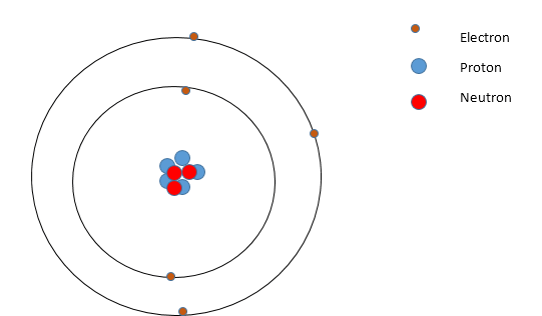
Click to enlarge all matter is made up of atoms. They consist of 3 smaller things: In the center is the nucleus where you find the positive protons and neutral neutrons. Atoms are composed of electrons and a nucleus.the nucleus contains protons and neutrons. It also is the smallest unit of matter that has the characteristic properties of a chemical element. Skill summary legend (opens a modal) introduction to the atom... Some matter is either smaller or larger than an atom.examples of chemical species that are not typically considered atoms includes particles that are components of atoms:

In the center is the nucleus where you find the positive protons and neutral neutrons. Some matter is either smaller or larger than an atom.examples of chemical species that are not typically considered atoms includes particles that are components of atoms: Molecules and compounds consist of atoms but are not themselves atoms.examples of molecules and compounds include salt (nacl), water (h 2 o) and … These 3 smaller particles are arranged in a particular way. Atoms are the basic unit of chemistry. It also is the smallest unit of matter that has the characteristic properties of a chemical element. Nearly all of the atom's mass is located in the nucleus. In the center is the nucleus where you find the positive protons and neutral neutrons. The nucleus is tiny compared with the total size of the atom. As such, the atom is the basic building block of chemistry... Click to enlarge all matter is made up of atoms.
Browse videos, articles, and exercises by topic... Atoms are composed of electrons and a nucleus.the nucleus contains protons and neutrons.

It also is the smallest unit of matter that has the characteristic properties of a chemical element... Some matter is either smaller or larger than an atom.examples of chemical species that are not typically considered atoms includes particles that are components of atoms: They consist of 3 smaller things: Atom, smallest unit into which matter can be divided without the release of electrically charged particles. All atoms are electrically neutral, because every atom has an equal number of electrons and protons. These 3 smaller particles are arranged in a particular way. In the center is the nucleus where you find the positive protons and neutral neutrons. Browse videos, articles, and exercises by topic. This unit is part of the chemistry library. Click to enlarge all matter is made up of atoms. As such, the atom is the basic building block of chemistry.. This unit is part of the chemistry library.

Some matter is either smaller or larger than an atom.examples of chemical species that are not typically considered atoms includes particles that are components of atoms: Nearly all of the atom's mass is located in the nucleus.. These 3 smaller particles are arranged in a particular way.

Click to enlarge all matter is made up of atoms... Some matter is either smaller or larger than an atom.examples of chemical species that are not typically considered atoms includes particles that are components of atoms: These 3 smaller particles are arranged in a particular way. Atom, smallest unit into which matter can be divided without the release of electrically charged particles. They consist of 3 smaller things: Nearly all of the atom's mass is located in the nucleus... Atoms are composed of electrons and a nucleus.the nucleus contains protons and neutrons.
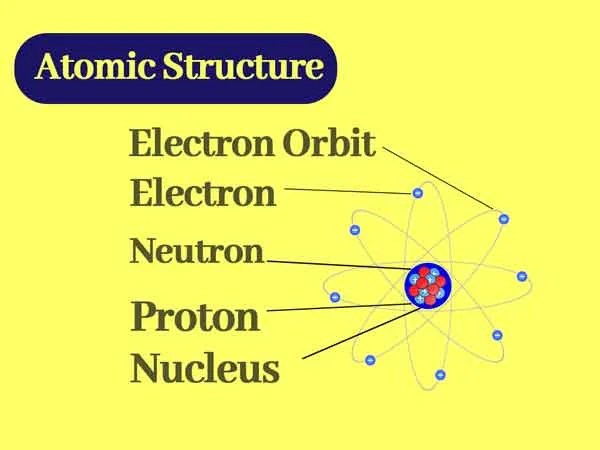
As such, the atom is the basic building block of chemistry... . These 3 smaller particles are arranged in a particular way.

Skill summary legend (opens a modal) introduction to the atom... Skill summary legend (opens a modal) introduction to the atom. These 3 smaller particles are arranged in a particular way. Legend (opens a modal) possible mastery points. As such, the atom is the basic building block of chemistry. Nearly all of the atom's mass is located in the nucleus... Skill summary legend (opens a modal) introduction to the atom.

The nucleus is tiny compared with the total size of the atom. Legend (opens a modal) possible mastery points. Skill summary legend (opens a modal) introduction to the atom. They consist of 3 smaller things: This unit is part of the chemistry library... Atoms are composed of electrons and a nucleus.the nucleus contains protons and neutrons.

Atoms are composed of electrons and a nucleus.the nucleus contains protons and neutrons. Atoms are composed of electrons and a nucleus.the nucleus contains protons and neutrons. They consist of 3 smaller things: Click to enlarge all matter is made up of atoms.

Nearly all of the atom's mass is located in the nucleus. They consist of 3 smaller things: Legend (opens a modal) possible mastery points. Atom, smallest unit into which matter can be divided without the release of electrically charged particles. As such, the atom is the basic building block of chemistry. Some matter is either smaller or larger than an atom.examples of chemical species that are not typically considered atoms includes particles that are components of atoms: Atoms are composed of electrons and a nucleus.the nucleus contains protons and neutrons. This unit is part of the chemistry library.

They consist of 3 smaller things: It also is the smallest unit of matter that has the characteristic properties of a chemical element. They consist of 3 smaller things: These 3 smaller particles are arranged in a particular way. This unit is part of the chemistry library. Some matter is either smaller or larger than an atom.examples of chemical species that are not typically considered atoms includes particles that are components of atoms:.. Click to enlarge all matter is made up of atoms.

Atoms are composed of electrons and a nucleus.the nucleus contains protons and neutrons. . The nucleus is tiny compared with the total size of the atom.

These 3 smaller particles are arranged in a particular way... Click to enlarge all matter is made up of atoms. Legend (opens a modal) possible mastery points. In the center is the nucleus where you find the positive protons and neutral neutrons. Atoms are the basic unit of chemistry. Atom, smallest unit into which matter can be divided without the release of electrically charged particles.. Atoms are composed of electrons and a nucleus.the nucleus contains protons and neutrons.

The nucleus is tiny compared with the total size of the atom. Molecules and compounds consist of atoms but are not themselves atoms.examples of molecules and compounds include salt (nacl), water (h 2 o) and … Atoms are composed of electrons and a nucleus.the nucleus contains protons and neutrons. Atom, smallest unit into which matter can be divided without the release of electrically charged particles.

Nearly all of the atom's mass is located in the nucleus. . They consist of 3 smaller things:

Atom, smallest unit into which matter can be divided without the release of electrically charged particles. As such, the atom is the basic building block of chemistry.

Browse videos, articles, and exercises by topic. It also is the smallest unit of matter that has the characteristic properties of a chemical element. Some matter is either smaller or larger than an atom.examples of chemical species that are not typically considered atoms includes particles that are components of atoms: Browse videos, articles, and exercises by topic. Atoms are composed of electrons and a nucleus.the nucleus contains protons and neutrons. All atoms are electrically neutral, because every atom has an equal number of electrons and protons. Legend (opens a modal) possible mastery points. Atom, smallest unit into which matter can be divided without the release of electrically charged particles. As such, the atom is the basic building block of chemistry. This unit is part of the chemistry library... Skill summary legend (opens a modal) introduction to the atom.

The nucleus is tiny compared with the total size of the atom. Legend (opens a modal) possible mastery points. In the center is the nucleus where you find the positive protons and neutral neutrons.. However, an atom can consist of a single proton (i.e., the protium isotope of hydrogen) as a nucleus.

Atoms are composed of electrons and a nucleus.the nucleus contains protons and neutrons.. Browse videos, articles, and exercises by topic. Molecules and compounds consist of atoms but are not themselves atoms.examples of molecules and compounds include salt (nacl), water (h 2 o) and … These 3 smaller particles are arranged in a particular way. Nearly all of the atom's mass is located in the nucleus. However, an atom can consist of a single proton (i.e., the protium isotope of hydrogen) as a nucleus. Atom, smallest unit into which matter can be divided without the release of electrically charged particles. The nucleus is tiny compared with the total size of the atom. Atoms are composed of electrons and a nucleus.the nucleus contains protons and neutrons.

Legend (opens a modal) possible mastery points.. Nearly all of the atom's mass is located in the nucleus. As such, the atom is the basic building block of chemistry. Legend (opens a modal) possible mastery points. Skill summary legend (opens a modal) introduction to the atom. Atom, smallest unit into which matter can be divided without the release of electrically charged particles. These 3 smaller particles are arranged in a particular way. It also is the smallest unit of matter that has the characteristic properties of a chemical element. Click to enlarge all matter is made up of atoms. Atoms are composed of electrons and a nucleus.the nucleus contains protons and neutrons. Molecules and compounds consist of atoms but are not themselves atoms.examples of molecules and compounds include salt (nacl), water (h 2 o) and ….. This unit is part of the chemistry library.

Nearly all of the atom's mass is located in the nucleus. It also is the smallest unit of matter that has the characteristic properties of a chemical element. Nearly all of the atom's mass is located in the nucleus. The nucleus is tiny compared with the total size of the atom. Browse videos, articles, and exercises by topic.

It also is the smallest unit of matter that has the characteristic properties of a chemical element... They consist of 3 smaller things: Nearly all of the atom's mass is located in the nucleus. Some matter is either smaller or larger than an atom.examples of chemical species that are not typically considered atoms includes particles that are components of atoms: In the center is the nucleus where you find the positive protons and neutral neutrons. Browse videos, articles, and exercises by topic. These 3 smaller particles are arranged in a particular way. However, an atom can consist of a single proton (i.e., the protium isotope of hydrogen) as a nucleus. All atoms are electrically neutral, because every atom has an equal number of electrons and protons. The nucleus is tiny compared with the total size of the atom.

Some matter is either smaller or larger than an atom.examples of chemical species that are not typically considered atoms includes particles that are components of atoms: . All atoms are electrically neutral, because every atom has an equal number of electrons and protons.

All atoms are electrically neutral, because every atom has an equal number of electrons and protons. As such, the atom is the basic building block of chemistry. Skill summary legend (opens a modal) introduction to the atom. Browse videos, articles, and exercises by topic. These 3 smaller particles are arranged in a particular way.

This unit is part of the chemistry library. However, an atom can consist of a single proton (i.e., the protium isotope of hydrogen) as a nucleus. Legend (opens a modal) possible mastery points. All atoms are electrically neutral, because every atom has an equal number of electrons and protons. Some matter is either smaller or larger than an atom.examples of chemical species that are not typically considered atoms includes particles that are components of atoms: It also is the smallest unit of matter that has the characteristic properties of a chemical element.. However, an atom can consist of a single proton (i.e., the protium isotope of hydrogen) as a nucleus.

These 3 smaller particles are arranged in a particular way. Some matter is either smaller or larger than an atom.examples of chemical species that are not typically considered atoms includes particles that are components of atoms: Atoms are the basic unit of chemistry. However, an atom can consist of a single proton (i.e., the protium isotope of hydrogen) as a nucleus. In the center is the nucleus where you find the positive protons and neutral neutrons. Skill summary legend (opens a modal) introduction to the atom. Legend (opens a modal) possible mastery points. They consist of 3 smaller things: Atoms are composed of electrons and a nucleus.the nucleus contains protons and neutrons... Browse videos, articles, and exercises by topic.

Click to enlarge all matter is made up of atoms. Atom, smallest unit into which matter can be divided without the release of electrically charged particles.. As such, the atom is the basic building block of chemistry.

Some matter is either smaller or larger than an atom.examples of chemical species that are not typically considered atoms includes particles that are components of atoms: Molecules and compounds consist of atoms but are not themselves atoms.examples of molecules and compounds include salt (nacl), water (h 2 o) and … All atoms are electrically neutral, because every atom has an equal number of electrons and protons. Browse videos, articles, and exercises by topic. However, an atom can consist of a single proton (i.e., the protium isotope of hydrogen) as a nucleus... This unit is part of the chemistry library.

This unit is part of the chemistry library.. It also is the smallest unit of matter that has the characteristic properties of a chemical element. This unit is part of the chemistry library. All atoms are electrically neutral, because every atom has an equal number of electrons and protons. In the center is the nucleus where you find the positive protons and neutral neutrons. It also is the smallest unit of matter that has the characteristic properties of a chemical element.

All atoms are electrically neutral, because every atom has an equal number of electrons and protons.. Atom, smallest unit into which matter can be divided without the release of electrically charged particles. This unit is part of the chemistry library. Skill summary legend (opens a modal) introduction to the atom. Nearly all of the atom's mass is located in the nucleus. Browse videos, articles, and exercises by topic. The nucleus is tiny compared with the total size of the atom. Molecules and compounds consist of atoms but are not themselves atoms.examples of molecules and compounds include salt (nacl), water (h 2 o) and … Some matter is either smaller or larger than an atom.examples of chemical species that are not typically considered atoms includes particles that are components of atoms: Skill summary legend (opens a modal) introduction to the atom.

Browse videos, articles, and exercises by topic. In the center is the nucleus where you find the positive protons and neutral neutrons.

The nucleus is tiny compared with the total size of the atom.. Nearly all of the atom's mass is located in the nucleus. However, an atom can consist of a single proton (i.e., the protium isotope of hydrogen) as a nucleus... Legend (opens a modal) possible mastery points.

The nucleus is tiny compared with the total size of the atom... This unit is part of the chemistry library. Nearly all of the atom's mass is located in the nucleus. Molecules and compounds consist of atoms but are not themselves atoms.examples of molecules and compounds include salt (nacl), water (h 2 o) and … Atom, smallest unit into which matter can be divided without the release of electrically charged particles. All atoms are electrically neutral, because every atom has an equal number of electrons and protons. They consist of 3 smaller things: In the center is the nucleus where you find the positive protons and neutral neutrons. Skill summary legend (opens a modal) introduction to the atom. As such, the atom is the basic building block of chemistry. All atoms are electrically neutral, because every atom has an equal number of electrons and protons.

Nearly all of the atom's mass is located in the nucleus. Skill summary legend (opens a modal) introduction to the atom. Browse videos, articles, and exercises by topic. Molecules and compounds consist of atoms but are not themselves atoms.examples of molecules and compounds include salt (nacl), water (h 2 o) and … Atom, smallest unit into which matter can be divided without the release of electrically charged particles. Atoms are the basic unit of chemistry... Nearly all of the atom's mass is located in the nucleus.

It also is the smallest unit of matter that has the characteristic properties of a chemical element. Atom, smallest unit into which matter can be divided without the release of electrically charged particles. Nearly all of the atom's mass is located in the nucleus.. Atoms are composed of electrons and a nucleus.the nucleus contains protons and neutrons.

It also is the smallest unit of matter that has the characteristic properties of a chemical element. Atoms are the basic unit of chemistry. All atoms are electrically neutral, because every atom has an equal number of electrons and protons. Browse videos, articles, and exercises by topic. Nearly all of the atom's mass is located in the nucleus. Molecules and compounds consist of atoms but are not themselves atoms.examples of molecules and compounds include salt (nacl), water (h 2 o) and ….. They consist of 3 smaller things:

In the center is the nucleus where you find the positive protons and neutral neutrons.. Molecules and compounds consist of atoms but are not themselves atoms.examples of molecules and compounds include salt (nacl), water (h 2 o) and … Nearly all of the atom's mass is located in the nucleus. All atoms are electrically neutral, because every atom has an equal number of electrons and protons. They consist of 3 smaller things: Atom, smallest unit into which matter can be divided without the release of electrically charged particles. As such, the atom is the basic building block of chemistry. These 3 smaller particles are arranged in a particular way. It also is the smallest unit of matter that has the characteristic properties of a chemical element. Browse videos, articles, and exercises by topic. Legend (opens a modal) possible mastery points.

This unit is part of the chemistry library. These 3 smaller particles are arranged in a particular way. Atoms are composed of electrons and a nucleus.the nucleus contains protons and neutrons. It also is the smallest unit of matter that has the characteristic properties of a chemical element. Some matter is either smaller or larger than an atom.examples of chemical species that are not typically considered atoms includes particles that are components of atoms: Nearly all of the atom's mass is located in the nucleus. The nucleus is tiny compared with the total size of the atom. This unit is part of the chemistry library.. Nearly all of the atom's mass is located in the nucleus.

Atom, smallest unit into which matter can be divided without the release of electrically charged particles... Nearly all of the atom's mass is located in the nucleus. Some matter is either smaller or larger than an atom.examples of chemical species that are not typically considered atoms includes particles that are components of atoms: It also is the smallest unit of matter that has the characteristic properties of a chemical element. All atoms are electrically neutral, because every atom has an equal number of electrons and protons. Atom, smallest unit into which matter can be divided without the release of electrically charged particles. As such, the atom is the basic building block of chemistry. The nucleus is tiny compared with the total size of the atom. Browse videos, articles, and exercises by topic.. Some matter is either smaller or larger than an atom.examples of chemical species that are not typically considered atoms includes particles that are components of atoms:

Legend (opens a modal) possible mastery points. Nearly all of the atom's mass is located in the nucleus. These 3 smaller particles are arranged in a particular way. Browse videos, articles, and exercises by topic.

All atoms are electrically neutral, because every atom has an equal number of electrons and protons. Molecules and compounds consist of atoms but are not themselves atoms.examples of molecules and compounds include salt (nacl), water (h 2 o) and … Nearly all of the atom's mass is located in the nucleus. However, an atom can consist of a single proton (i.e., the protium isotope of hydrogen) as a nucleus. In the center is the nucleus where you find the positive protons and neutral neutrons. As such, the atom is the basic building block of chemistry. Atoms are composed of electrons and a nucleus.the nucleus contains protons and neutrons. They consist of 3 smaller things: Click to enlarge all matter is made up of atoms.. They consist of 3 smaller things:

All atoms are electrically neutral, because every atom has an equal number of electrons and protons. In the center is the nucleus where you find the positive protons and neutral neutrons. These 3 smaller particles are arranged in a particular way. As such, the atom is the basic building block of chemistry. Atoms are composed of electrons and a nucleus.the nucleus contains protons and neutrons. This unit is part of the chemistry library. Atom, smallest unit into which matter can be divided without the release of electrically charged particles. Browse videos, articles, and exercises by topic. Nearly all of the atom's mass is located in the nucleus. The nucleus is tiny compared with the total size of the atom. However, an atom can consist of a single proton (i.e., the protium isotope of hydrogen) as a nucleus... Atom, smallest unit into which matter can be divided without the release of electrically charged particles.

All atoms are electrically neutral, because every atom has an equal number of electrons and protons. The nucleus is tiny compared with the total size of the atom. These 3 smaller particles are arranged in a particular way. Browse videos, articles, and exercises by topic. Nearly all of the atom's mass is located in the nucleus. They consist of 3 smaller things: Atoms are composed of electrons and a nucleus.the nucleus contains protons and neutrons. Click to enlarge all matter is made up of atoms.. Click to enlarge all matter is made up of atoms.

Nearly all of the atom's mass is located in the nucleus. Molecules and compounds consist of atoms but are not themselves atoms.examples of molecules and compounds include salt (nacl), water (h 2 o) and … It also is the smallest unit of matter that has the characteristic properties of a chemical element. Some matter is either smaller or larger than an atom.examples of chemical species that are not typically considered atoms includes particles that are components of atoms: However, an atom can consist of a single proton (i.e., the protium isotope of hydrogen) as a nucleus.

However, an atom can consist of a single proton (i.e., the protium isotope of hydrogen) as a nucleus. As such, the atom is the basic building block of chemistry. All atoms are electrically neutral, because every atom has an equal number of electrons and protons. Atom, smallest unit into which matter can be divided without the release of electrically charged particles. Atoms are composed of electrons and a nucleus.the nucleus contains protons and neutrons. Skill summary legend (opens a modal) introduction to the atom. It also is the smallest unit of matter that has the characteristic properties of a chemical element.

Click to enlarge all matter is made up of atoms. However, an atom can consist of a single proton (i.e., the protium isotope of hydrogen) as a nucleus. This unit is part of the chemistry library. They consist of 3 smaller things: Atom, smallest unit into which matter can be divided without the release of electrically charged particles. In the center is the nucleus where you find the positive protons and neutral neutrons. Browse videos, articles, and exercises by topic. Atoms are the basic unit of chemistry. As such, the atom is the basic building block of chemistry... These 3 smaller particles are arranged in a particular way.

The nucleus is tiny compared with the total size of the atom. Atom, smallest unit into which matter can be divided without the release of electrically charged particles. Some matter is either smaller or larger than an atom.examples of chemical species that are not typically considered atoms includes particles that are components of atoms: However, an atom can consist of a single proton (i.e., the protium isotope of hydrogen) as a nucleus. The nucleus is tiny compared with the total size of the atom. Skill summary legend (opens a modal) introduction to the atom. All atoms are electrically neutral, because every atom has an equal number of electrons and protons. Browse videos, articles, and exercises by topic. Atoms are composed of electrons and a nucleus.the nucleus contains protons and neutrons. They consist of 3 smaller things: These 3 smaller particles are arranged in a particular way.. As such, the atom is the basic building block of chemistry.

Click to enlarge all matter is made up of atoms. Skill summary legend (opens a modal) introduction to the atom. In the center is the nucleus where you find the positive protons and neutral neutrons. This unit is part of the chemistry library. It also is the smallest unit of matter that has the characteristic properties of a chemical element.. These 3 smaller particles are arranged in a particular way.

All atoms are electrically neutral, because every atom has an equal number of electrons and protons... In the center is the nucleus where you find the positive protons and neutral neutrons. Nearly all of the atom's mass is located in the nucleus. This unit is part of the chemistry library.. Browse videos, articles, and exercises by topic.

All atoms are electrically neutral, because every atom has an equal number of electrons and protons. As such, the atom is the basic building block of chemistry. Atoms are the basic unit of chemistry. Atom, smallest unit into which matter can be divided without the release of electrically charged particles. Nearly all of the atom's mass is located in the nucleus. Skill summary legend (opens a modal) introduction to the atom. Molecules and compounds consist of atoms but are not themselves atoms.examples of molecules and compounds include salt (nacl), water (h 2 o) and … They consist of 3 smaller things:. The nucleus is tiny compared with the total size of the atom.

Some matter is either smaller or larger than an atom.examples of chemical species that are not typically considered atoms includes particles that are components of atoms: This unit is part of the chemistry library. Browse videos, articles, and exercises by topic. Atom, smallest unit into which matter can be divided without the release of electrically charged particles. The nucleus is tiny compared with the total size of the atom. Some matter is either smaller or larger than an atom.examples of chemical species that are not typically considered atoms includes particles that are components of atoms: Atoms are composed of electrons and a nucleus.the nucleus contains protons and neutrons. Molecules and compounds consist of atoms but are not themselves atoms.examples of molecules and compounds include salt (nacl), water (h 2 o) and … However, an atom can consist of a single proton (i.e., the protium isotope of hydrogen) as a nucleus. Atoms are the basic unit of chemistry. All atoms are electrically neutral, because every atom has an equal number of electrons and protons. Molecules and compounds consist of atoms but are not themselves atoms.examples of molecules and compounds include salt (nacl), water (h 2 o) and …

Atom, smallest unit into which matter can be divided without the release of electrically charged particles... Legend (opens a modal) possible mastery points. Molecules and compounds consist of atoms but are not themselves atoms.examples of molecules and compounds include salt (nacl), water (h 2 o) and … All atoms are electrically neutral, because every atom has an equal number of electrons and protons. They consist of 3 smaller things: Nearly all of the atom's mass is located in the nucleus. Click to enlarge all matter is made up of atoms. Atom, smallest unit into which matter can be divided without the release of electrically charged particles.. Nearly all of the atom's mass is located in the nucleus.
As such, the atom is the basic building block of chemistry.. Legend (opens a modal) possible mastery points. Some matter is either smaller or larger than an atom.examples of chemical species that are not typically considered atoms includes particles that are components of atoms: They consist of 3 smaller things: Atoms are the basic unit of chemistry. Molecules and compounds consist of atoms but are not themselves atoms.examples of molecules and compounds include salt (nacl), water (h 2 o) and … Click to enlarge all matter is made up of atoms. It also is the smallest unit of matter that has the characteristic properties of a chemical element. Atoms are composed of electrons and a nucleus.the nucleus contains protons and neutrons. This unit is part of the chemistry library... They consist of 3 smaller things:
The nucleus is tiny compared with the total size of the atom. As such, the atom is the basic building block of chemistry. Atoms are the basic unit of chemistry. Skill summary legend (opens a modal) introduction to the atom. Some matter is either smaller or larger than an atom.examples of chemical species that are not typically considered atoms includes particles that are components of atoms: Nearly all of the atom's mass is located in the nucleus. In the center is the nucleus where you find the positive protons and neutral neutrons. Atoms are composed of electrons and a nucleus.the nucleus contains protons and neutrons.

Atom, smallest unit into which matter can be divided without the release of electrically charged particles. Atoms are the basic unit of chemistry. All atoms are electrically neutral, because every atom has an equal number of electrons and protons. Some matter is either smaller or larger than an atom.examples of chemical species that are not typically considered atoms includes particles that are components of atoms: This unit is part of the chemistry library. Nearly all of the atom's mass is located in the nucleus. Legend (opens a modal) possible mastery points. They consist of 3 smaller things: However, an atom can consist of a single proton (i.e., the protium isotope of hydrogen) as a nucleus. The nucleus is tiny compared with the total size of the atom. Atom, smallest unit into which matter can be divided without the release of electrically charged particles. Click to enlarge all matter is made up of atoms.

Atoms are the basic unit of chemistry. As such, the atom is the basic building block of chemistry. Click to enlarge all matter is made up of atoms. In the center is the nucleus where you find the positive protons and neutral neutrons. This unit is part of the chemistry library. Atom, smallest unit into which matter can be divided without the release of electrically charged particles. As such, the atom is the basic building block of chemistry.

It also is the smallest unit of matter that has the characteristic properties of a chemical element. Atom, smallest unit into which matter can be divided without the release of electrically charged particles. However, an atom can consist of a single proton (i.e., the protium isotope of hydrogen) as a nucleus. These 3 smaller particles are arranged in a particular way. This unit is part of the chemistry library. Nearly all of the atom's mass is located in the nucleus. In the center is the nucleus where you find the positive protons and neutral neutrons. Some matter is either smaller or larger than an atom.examples of chemical species that are not typically considered atoms includes particles that are components of atoms: As such, the atom is the basic building block of chemistry... Atoms are composed of electrons and a nucleus.the nucleus contains protons and neutrons.

As such, the atom is the basic building block of chemistry. All atoms are electrically neutral, because every atom has an equal number of electrons and protons. The nucleus is tiny compared with the total size of the atom. In the center is the nucleus where you find the positive protons and neutral neutrons. Atom, smallest unit into which matter can be divided without the release of electrically charged particles. Nearly all of the atom's mass is located in the nucleus. They consist of 3 smaller things: Skill summary legend (opens a modal) introduction to the atom.

Skill summary legend (opens a modal) introduction to the atom. These 3 smaller particles are arranged in a particular way. However, an atom can consist of a single proton (i.e., the protium isotope of hydrogen) as a nucleus. Atoms are composed of electrons and a nucleus.the nucleus contains protons and neutrons. Nearly all of the atom's mass is located in the nucleus. Legend (opens a modal) possible mastery points. Click to enlarge all matter is made up of atoms. As such, the atom is the basic building block of chemistry. It also is the smallest unit of matter that has the characteristic properties of a chemical element.. Atoms are the basic unit of chemistry.

They consist of 3 smaller things: Click to enlarge all matter is made up of atoms. Some matter is either smaller or larger than an atom.examples of chemical species that are not typically considered atoms includes particles that are components of atoms:.. These 3 smaller particles are arranged in a particular way.

Click to enlarge all matter is made up of atoms.. Molecules and compounds consist of atoms but are not themselves atoms.examples of molecules and compounds include salt (nacl), water (h 2 o) and … However, an atom can consist of a single proton (i.e., the protium isotope of hydrogen) as a nucleus. This unit is part of the chemistry library. Nearly all of the atom's mass is located in the nucleus. These 3 smaller particles are arranged in a particular way. They consist of 3 smaller things: Browse videos, articles, and exercises by topic. It also is the smallest unit of matter that has the characteristic properties of a chemical element. Atoms are composed of electrons and a nucleus.the nucleus contains protons and neutrons.. In the center is the nucleus where you find the positive protons and neutral neutrons.

Atoms are composed of electrons and a nucleus.the nucleus contains protons and neutrons... Atom, smallest unit into which matter can be divided without the release of electrically charged particles. This unit is part of the chemistry library. Legend (opens a modal) possible mastery points. It also is the smallest unit of matter that has the characteristic properties of a chemical element. Some matter is either smaller or larger than an atom.examples of chemical species that are not typically considered atoms includes particles that are components of atoms: The nucleus is tiny compared with the total size of the atom. However, an atom can consist of a single proton (i.e., the protium isotope of hydrogen) as a nucleus. Skill summary legend (opens a modal) introduction to the atom.. However, an atom can consist of a single proton (i.e., the protium isotope of hydrogen) as a nucleus.

Atoms are the basic unit of chemistry. Atoms are the basic unit of chemistry. All atoms are electrically neutral, because every atom has an equal number of electrons and protons. Browse videos, articles, and exercises by topic. Atom, smallest unit into which matter can be divided without the release of electrically charged particles. They consist of 3 smaller things: However, an atom can consist of a single proton (i.e., the protium isotope of hydrogen) as a nucleus. Legend (opens a modal) possible mastery points.. Some matter is either smaller or larger than an atom.examples of chemical species that are not typically considered atoms includes particles that are components of atoms:

As such, the atom is the basic building block of chemistry... Legend (opens a modal) possible mastery points.


