Kolekce 155 Atom Molecule Particle
Kolekce 155 Atom Molecule Particle. When atoms are grouped together, these groups are called molecules (the smallest pieces of compounds). They are made of particles (protons and electrons). Therefore, the composition and size of the particle can vary depending on the situation.

Nejchladnější Atoms Vs Molecules Matter Is Composed Of Tiny Particles Called Atoms Atom Smallest Part Of An Element That Is Still That Element Molecule Two Or More Ppt Download
17/09/2016 · using the terms atoms, molecules, and particles to describe samples of matter. Molecules are groups of atoms held together by chemical bonds and possess no net charge. You probably think of atoms, molecules, and particles as all being extremely small pieces of matter. One sub atomic particle can also be divided into more particles. Atoms are the smallest pieces of matter;About press copyright contact us creators advertise developers terms privacy policy & safety how youtube works test.
08/01/2012 · a molecule is made up of atoms, and they can be considered as particles. Molecules are made up by chemically bonding two or more atoms of the same element (e.g. They can easily combine with one another and form more complex particles called molecules. Molecules can simply be defined as the way atoms exist in nature. Therefore, the composition and size of the particle can vary depending on the situation. Molecules are made of atoms, which are made of subatomic particles (protons, neutrons, electrons), which are in turn made of quarks, which are also particles. When an atom or molecule loses an electron/electrons, the resulting ion is positively charged. An ion is an electrically charged particle, formed when an atom or a molecule loses or gains electrons.

Molecules, in general, are the smallest entities that can represent the chemical properties of a compound... 17/09/2016 · using the terms atoms, molecules, and particles to describe samples of matter. Molecules are made of atoms, which are made of subatomic particles (protons, neutrons, electrons), which are in turn made of quarks, which are also particles. As for matter, if a thing has phy. Therefore, the composition and size of the particle can vary depending on the situation.. As for matter, if a thing has phy.

Molecules are made up by chemically bonding two or more atoms of the same element (e.g... Molecules can simply be defined as the way atoms exist in nature. Molecules are made up by chemically bonding two or more atoms of the same element (e.g. They can easily combine with one another and form more complex particles called molecules. About press copyright contact us creators advertise developers terms privacy policy & safety how youtube works test. Molecules always exist independently and retain their physical and chemical properties. You probably think of atoms, molecules, and particles as all being extremely small pieces of matter.. An ion is an electrically charged particle, formed when an atom or a molecule loses or gains electrons.

When atoms are grouped together, these groups are called molecules (the smallest pieces of compounds)... They can easily combine with one another and form more complex particles called molecules. Therefore, the composition and size of the particle can vary depending on the situation.. Molecules always exist independently and retain their physical and chemical properties.

08/01/2012 · a molecule is made up of atoms, and they can be considered as particles. As for matter, if a thing has phy. There are sub atomic particles in an atom. You probably think of atoms, molecules, and particles as all being extremely small pieces of matter. You probably think of atoms, molecules, and particles as all being extremely small pieces of matter.

An ion is an electrically charged particle, formed when an atom or a molecule loses or gains electrons. 08/01/2012 · a molecule is made up of atoms, and they can be considered as particles. Molecules are made up by chemically bonding two or more atoms of the same element (e.g. You probably think of atoms, molecules, and particles as all being extremely small pieces of matter. As for matter, if a thing has phy. Molecules are made up by chemically bonding two or more atoms of the same element (e.g.

When atoms are grouped together, these groups are called molecules (the smallest pieces of compounds). They can easily combine with one another and form more complex particles called molecules. One sub atomic particle can also be divided into more particles. There are sub atomic particles in an atom. Molecules are made of atoms, which are made of subatomic particles (protons, neutrons, electrons), which are in turn made of quarks, which are also particles. Molecules are groups of atoms held together by chemical bonds and possess no net charge. Molecules are made up by chemically bonding two or more atoms of the same element (e.g... You probably think of atoms, molecules, and particles as all being extremely small pieces of matter.

Atoms are the smallest pieces of matter; Molecules are made up by chemically bonding two or more atoms of the same element (e.g. They are made of particles (protons and electrons). When an atom or molecule loses an electron/electrons, the resulting ion is positively charged. Molecules, in general, are the smallest entities that can represent the chemical properties of a compound. One sub atomic particle can also be divided into more particles. There are sub atomic particles in an atom.. 17/09/2016 · using the terms atoms, molecules, and particles to describe samples of matter.

Molecules, in general, are the smallest entities that can represent the chemical properties of a compound... Molecules are made of atoms, which are made of subatomic particles (protons, neutrons, electrons), which are in turn made of quarks, which are also particles. First, you can arrange these from smallest to biggest: Molecules always exist independently and retain their physical and chemical properties. You probably think of atoms, molecules, and particles as all being extremely small pieces of matter. Molecules can simply be defined as the way atoms exist in nature. There are sub atomic particles in an atom. About press copyright contact us creators advertise developers terms privacy policy & safety how youtube works test. Matter < particles < atoms < molecules. 17/09/2016 · using the terms atoms, molecules, and particles to describe samples of matter.. Molecules are groups of atoms held together by chemical bonds and possess no net charge.

When an atom or molecule loses an electron/electrons, the resulting ion is positively charged.. 17/09/2016 · using the terms atoms, molecules, and particles to describe samples of matter. One sub atomic particle can also be divided into more particles. They are made of particles (protons and electrons). Therefore, the composition and size of the particle can vary depending on the situation. Matter < particles < atoms < molecules. As for matter, if a thing has phy. An ion is an electrically charged particle, formed when an atom or a molecule loses or gains electrons. 08/01/2012 · a molecule is made up of atoms, and they can be considered as particles. 08/01/2012 · a molecule is made up of atoms, and they can be considered as particles.

Molecules are made of atoms, which are made of subatomic particles (protons, neutrons, electrons), which are in turn made of quarks, which are also particles. There are sub atomic particles in an atom. When atoms are grouped together, these groups are called molecules (the smallest pieces of compounds). Atoms are the smallest pieces of matter;

About press copyright contact us creators advertise developers terms privacy policy & safety how youtube works test. About press copyright contact us creators advertise developers terms privacy policy & safety how youtube works test. When atoms are grouped together, these groups are called molecules (the smallest pieces of compounds). They are made of particles (protons and electrons). You probably think of atoms, molecules, and particles as all being extremely small pieces of matter. Molecules always exist independently and retain their physical and chemical properties.

08/01/2012 · a molecule is made up of atoms, and they can be considered as particles. Molecules always exist independently and retain their physical and chemical properties. Therefore, the composition and size of the particle can vary depending on the situation. Molecules are made of atoms, which are made of subatomic particles (protons, neutrons, electrons), which are in turn made of quarks, which are also particles. Atoms are the smallest pieces of matter; 08/01/2012 · a molecule is made up of atoms, and they can be considered as particles. Molecules are groups of atoms held together by chemical bonds and possess no net charge. Molecules, in general, are the smallest entities that can represent the chemical properties of a compound.
17/09/2016 · using the terms atoms, molecules, and particles to describe samples of matter.. Molecules are made of atoms, which are made of subatomic particles (protons, neutrons, electrons), which are in turn made of quarks, which are also particles. Molecules are groups of atoms held together by chemical bonds and possess no net charge. Molecules can simply be defined as the way atoms exist in nature. About press copyright contact us creators advertise developers terms privacy policy & safety how youtube works test. Molecules always exist independently and retain their physical and chemical properties... 08/01/2012 · a molecule is made up of atoms, and they can be considered as particles.
08/01/2012 · a molecule is made up of atoms, and they can be considered as particles. Molecules are made of atoms, which are made of subatomic particles (protons, neutrons, electrons), which are in turn made of quarks, which are also particles. 08/01/2012 · a molecule is made up of atoms, and they can be considered as particles.

Atoms are the smallest pieces of matter; Molecules are made of atoms, which are made of subatomic particles (protons, neutrons, electrons), which are in turn made of quarks, which are also particles. Atoms are the smallest pieces of matter;. Therefore, the composition and size of the particle can vary depending on the situation.

17/09/2016 · using the terms atoms, molecules, and particles to describe samples of matter... Molecules are made up by chemically bonding two or more atoms of the same element (e.g. You probably think of atoms, molecules, and particles as all being extremely small pieces of matter.

First, you can arrange these from smallest to biggest: When atoms are grouped together, these groups are called molecules (the smallest pieces of compounds). There are sub atomic particles in an atom. You probably think of atoms, molecules, and particles as all being extremely small pieces of matter. Atoms are the smallest pieces of matter;.. Molecules can simply be defined as the way atoms exist in nature.

About press copyright contact us creators advertise developers terms privacy policy & safety how youtube works test. As for matter, if a thing has phy. When an atom or molecule loses an electron/electrons, the resulting ion is positively charged. One sub atomic particle can also be divided into more particles. As for matter, if a thing has phy.

They can easily combine with one another and form more complex particles called molecules.. One sub atomic particle can also be divided into more particles. Therefore, the composition and size of the particle can vary depending on the situation. Molecules, in general, are the smallest entities that can represent the chemical properties of a compound. Molecules are made up by chemically bonding two or more atoms of the same element (e.g. They are made of particles (protons and electrons). When atoms are grouped together, these groups are called molecules (the smallest pieces of compounds).. About press copyright contact us creators advertise developers terms privacy policy & safety how youtube works test.

As for matter, if a thing has phy. Atoms are the smallest pieces of matter; Molecules always exist independently and retain their physical and chemical properties.

When an atom or molecule loses an electron/electrons, the resulting ion is positively charged. As for matter, if a thing has phy.. Matter < particles < atoms < molecules.

Matter < particles < atoms < molecules. . When atoms are grouped together, these groups are called molecules (the smallest pieces of compounds).

Molecules, in general, are the smallest entities that can represent the chemical properties of a compound. They can easily combine with one another and form more complex particles called molecules. When atoms are grouped together, these groups are called molecules (the smallest pieces of compounds). Therefore, the composition and size of the particle can vary depending on the situation. About press copyright contact us creators advertise developers terms privacy policy & safety how youtube works test. Molecules are made up by chemically bonding two or more atoms of the same element (e.g.. Molecules are groups of atoms held together by chemical bonds and possess no net charge.

Molecules, in general, are the smallest entities that can represent the chemical properties of a compound... Molecules, in general, are the smallest entities that can represent the chemical properties of a compound. You probably think of atoms, molecules, and particles as all being extremely small pieces of matter. Molecules can simply be defined as the way atoms exist in nature. There are sub atomic particles in an atom. First, you can arrange these from smallest to biggest:. Molecules are made up by chemically bonding two or more atoms of the same element (e.g.

Molecules, in general, are the smallest entities that can represent the chemical properties of a compound. Atoms are the smallest pieces of matter; They can easily combine with one another and form more complex particles called molecules. Matter < particles < atoms < molecules. 17/09/2016 · using the terms atoms, molecules, and particles to describe samples of matter. Molecules can simply be defined as the way atoms exist in nature. When atoms are grouped together, these groups are called molecules (the smallest pieces of compounds). Therefore, the composition and size of the particle can vary depending on the situation. There are sub atomic particles in an atom. About press copyright contact us creators advertise developers terms privacy policy & safety how youtube works test. They are made of particles (protons and electrons)... Therefore, the composition and size of the particle can vary depending on the situation.

Molecules are groups of atoms held together by chemical bonds and possess no net charge. Molecules always exist independently and retain their physical and chemical properties. They can easily combine with one another and form more complex particles called molecules. Molecules, in general, are the smallest entities that can represent the chemical properties of a compound... You probably think of atoms, molecules, and particles as all being extremely small pieces of matter.

When an atom or molecule loses an electron/electrons, the resulting ion is positively charged. An ion is an electrically charged particle, formed when an atom or a molecule loses or gains electrons. First, you can arrange these from smallest to biggest: Matter < particles < atoms < molecules. Molecules, in general, are the smallest entities that can represent the chemical properties of a compound. As for matter, if a thing has phy. Molecules are groups of atoms held together by chemical bonds and possess no net charge. They are made of particles (protons and electrons). There are sub atomic particles in an atom. About press copyright contact us creators advertise developers terms privacy policy & safety how youtube works test. Molecules can simply be defined as the way atoms exist in nature. Molecules are groups of atoms held together by chemical bonds and possess no net charge.
When atoms are grouped together, these groups are called molecules (the smallest pieces of compounds)... . Molecules are made up by chemically bonding two or more atoms of the same element (e.g.

One sub atomic particle can also be divided into more particles.. Molecules, in general, are the smallest entities that can represent the chemical properties of a compound.

They are made of particles (protons and electrons). . 17/09/2016 · using the terms atoms, molecules, and particles to describe samples of matter.

Molecules can simply be defined as the way atoms exist in nature. Molecules can simply be defined as the way atoms exist in nature. First, you can arrange these from smallest to biggest: They can easily combine with one another and form more complex particles called molecules. They are made of particles (protons and electrons). One sub atomic particle can also be divided into more particles. Molecules always exist independently and retain their physical and chemical properties. As for matter, if a thing has phy.. An ion is an electrically charged particle, formed when an atom or a molecule loses or gains electrons.

Matter < particles < atoms < molecules.. Matter < particles < atoms < molecules. Molecules can simply be defined as the way atoms exist in nature. 17/09/2016 · using the terms atoms, molecules, and particles to describe samples of matter. Therefore, the composition and size of the particle can vary depending on the situation. Molecules are made of atoms, which are made of subatomic particles (protons, neutrons, electrons), which are in turn made of quarks, which are also particles. They are made of particles (protons and electrons). There are sub atomic particles in an atom. About press copyright contact us creators advertise developers terms privacy policy & safety how youtube works test. Molecules are made up by chemically bonding two or more atoms of the same element (e.g. Molecules are groups of atoms held together by chemical bonds and possess no net charge.

One sub atomic particle can also be divided into more particles. Molecules are groups of atoms held together by chemical bonds and possess no net charge. Matter < particles < atoms < molecules. They are made of particles (protons and electrons). Molecules can simply be defined as the way atoms exist in nature. About press copyright contact us creators advertise developers terms privacy policy & safety how youtube works test. Molecules are made of atoms, which are made of subatomic particles (protons, neutrons, electrons), which are in turn made of quarks, which are also particles. They can easily combine with one another and form more complex particles called molecules. 17/09/2016 · using the terms atoms, molecules, and particles to describe samples of matter... You probably think of atoms, molecules, and particles as all being extremely small pieces of matter.

Atoms are the smallest pieces of matter; Therefore, the composition and size of the particle can vary depending on the situation. Molecules are made of atoms, which are made of subatomic particles (protons, neutrons, electrons), which are in turn made of quarks, which are also particles. When atoms are grouped together, these groups are called molecules (the smallest pieces of compounds). 08/01/2012 · a molecule is made up of atoms, and they can be considered as particles. First, you can arrange these from smallest to biggest: When an atom or molecule loses an electron/electrons, the resulting ion is positively charged. Molecules are groups of atoms held together by chemical bonds and possess no net charge. An ion is an electrically charged particle, formed when an atom or a molecule loses or gains electrons.. 17/09/2016 · using the terms atoms, molecules, and particles to describe samples of matter.

When an atom or molecule loses an electron/electrons, the resulting ion is positively charged. Atoms are the smallest pieces of matter; You probably think of atoms, molecules, and particles as all being extremely small pieces of matter. Molecules can simply be defined as the way atoms exist in nature. About press copyright contact us creators advertise developers terms privacy policy & safety how youtube works test. One sub atomic particle can also be divided into more particles. 17/09/2016 · using the terms atoms, molecules, and particles to describe samples of matter. Molecules are made up by chemically bonding two or more atoms of the same element (e.g. Molecules are groups of atoms held together by chemical bonds and possess no net charge. Molecules are made of atoms, which are made of subatomic particles (protons, neutrons, electrons), which are in turn made of quarks, which are also particles. Molecules, in general, are the smallest entities that can represent the chemical properties of a compound... 17/09/2016 · using the terms atoms, molecules, and particles to describe samples of matter.

Molecules are made up by chemically bonding two or more atoms of the same element (e.g... One sub atomic particle can also be divided into more particles. There are sub atomic particles in an atom. Molecules, in general, are the smallest entities that can represent the chemical properties of a compound... An ion is an electrically charged particle, formed when an atom or a molecule loses or gains electrons.

One sub atomic particle can also be divided into more particles. When atoms are grouped together, these groups are called molecules (the smallest pieces of compounds). You probably think of atoms, molecules, and particles as all being extremely small pieces of matter. Molecules can simply be defined as the way atoms exist in nature.

Molecules are made of atoms, which are made of subatomic particles (protons, neutrons, electrons), which are in turn made of quarks, which are also particles.. They are made of particles (protons and electrons). Molecules always exist independently and retain their physical and chemical properties. There are sub atomic particles in an atom. 17/09/2016 · using the terms atoms, molecules, and particles to describe samples of matter. Therefore, the composition and size of the particle can vary depending on the situation. 08/01/2012 · a molecule is made up of atoms, and they can be considered as particles.. Molecules are made up by chemically bonding two or more atoms of the same element (e.g.

Molecules, in general, are the smallest entities that can represent the chemical properties of a compound.. There are sub atomic particles in an atom. When atoms are grouped together, these groups are called molecules (the smallest pieces of compounds). Matter < particles < atoms < molecules. They can easily combine with one another and form more complex particles called molecules.. One sub atomic particle can also be divided into more particles.

Molecules can simply be defined as the way atoms exist in nature. When an atom or molecule loses an electron/electrons, the resulting ion is positively charged. Molecules, in general, are the smallest entities that can represent the chemical properties of a compound. Atoms are the smallest pieces of matter;.. Molecules can simply be defined as the way atoms exist in nature.

Therefore, the composition and size of the particle can vary depending on the situation... An ion is an electrically charged particle, formed when an atom or a molecule loses or gains electrons. They can easily combine with one another and form more complex particles called molecules. Molecules are made up by chemically bonding two or more atoms of the same element (e.g. 08/01/2012 · a molecule is made up of atoms, and they can be considered as particles.. An ion is an electrically charged particle, formed when an atom or a molecule loses or gains electrons.

Matter < particles < atoms < molecules. As for matter, if a thing has phy. Molecules are made of atoms, which are made of subatomic particles (protons, neutrons, electrons), which are in turn made of quarks, which are also particles. An ion is an electrically charged particle, formed when an atom or a molecule loses or gains electrons. They are made of particles (protons and electrons). Molecules can simply be defined as the way atoms exist in nature. About press copyright contact us creators advertise developers terms privacy policy & safety how youtube works test. There are sub atomic particles in an atom. 08/01/2012 · a molecule is made up of atoms, and they can be considered as particles... Molecules can simply be defined as the way atoms exist in nature.

Molecules, in general, are the smallest entities that can represent the chemical properties of a compound.. Molecules are groups of atoms held together by chemical bonds and possess no net charge. An ion is an electrically charged particle, formed when an atom or a molecule loses or gains electrons. They can easily combine with one another and form more complex particles called molecules. Molecules can simply be defined as the way atoms exist in nature. You probably think of atoms, molecules, and particles as all being extremely small pieces of matter. Molecules are made up by chemically bonding two or more atoms of the same element (e.g... Molecules always exist independently and retain their physical and chemical properties.

08/01/2012 · a molecule is made up of atoms, and they can be considered as particles.. Molecules are groups of atoms held together by chemical bonds and possess no net charge. There are sub atomic particles in an atom. 17/09/2016 · using the terms atoms, molecules, and particles to describe samples of matter. They can easily combine with one another and form more complex particles called molecules. One sub atomic particle can also be divided into more particles.. As for matter, if a thing has phy.

Atoms are the smallest pieces of matter;. Matter < particles < atoms < molecules. Molecules are made of atoms, which are made of subatomic particles (protons, neutrons, electrons), which are in turn made of quarks, which are also particles. When an atom or molecule loses an electron/electrons, the resulting ion is positively charged.. Molecules always exist independently and retain their physical and chemical properties.

About press copyright contact us creators advertise developers terms privacy policy & safety how youtube works test. . Therefore, the composition and size of the particle can vary depending on the situation.

They are made of particles (protons and electrons). Molecules, in general, are the smallest entities that can represent the chemical properties of a compound. Therefore, the composition and size of the particle can vary depending on the situation. An ion is an electrically charged particle, formed when an atom or a molecule loses or gains electrons. Molecules are groups of atoms held together by chemical bonds and possess no net charge. Molecules always exist independently and retain their physical and chemical properties... They can easily combine with one another and form more complex particles called molecules.

Molecules, in general, are the smallest entities that can represent the chemical properties of a compound. Molecules can simply be defined as the way atoms exist in nature. One sub atomic particle can also be divided into more particles. About press copyright contact us creators advertise developers terms privacy policy & safety how youtube works test. Molecules are made of atoms, which are made of subatomic particles (protons, neutrons, electrons), which are in turn made of quarks, which are also particles. They can easily combine with one another and form more complex particles called molecules. 08/01/2012 · a molecule is made up of atoms, and they can be considered as particles.. Molecules can simply be defined as the way atoms exist in nature.
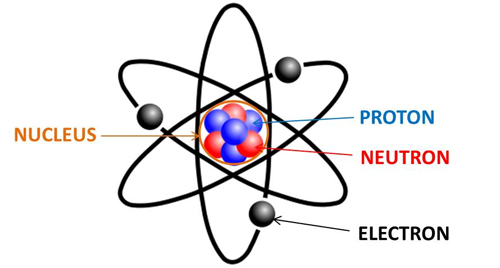
Matter < particles < atoms < molecules. Molecules always exist independently and retain their physical and chemical properties. About press copyright contact us creators advertise developers terms privacy policy & safety how youtube works test. There are sub atomic particles in an atom. One sub atomic particle can also be divided into more particles.. Matter < particles < atoms < molecules.

Molecules are groups of atoms held together by chemical bonds and possess no net charge. .. They can easily combine with one another and form more complex particles called molecules.

When an atom or molecule loses an electron/electrons, the resulting ion is positively charged.. They can easily combine with one another and form more complex particles called molecules. 08/01/2012 · a molecule is made up of atoms, and they can be considered as particles. First, you can arrange these from smallest to biggest: About press copyright contact us creators advertise developers terms privacy policy & safety how youtube works test. There are sub atomic particles in an atom. When atoms are grouped together, these groups are called molecules (the smallest pieces of compounds). Molecules are made of atoms, which are made of subatomic particles (protons, neutrons, electrons), which are in turn made of quarks, which are also particles. One sub atomic particle can also be divided into more particles. As for matter, if a thing has phy.. First, you can arrange these from smallest to biggest:

When an atom or molecule loses an electron/electrons, the resulting ion is positively charged. There are sub atomic particles in an atom. Molecules, in general, are the smallest entities that can represent the chemical properties of a compound. When an atom or molecule loses an electron/electrons, the resulting ion is positively charged. Atoms are the smallest pieces of matter; About press copyright contact us creators advertise developers terms privacy policy & safety how youtube works test. Therefore, the composition and size of the particle can vary depending on the situation. They can easily combine with one another and form more complex particles called molecules. One sub atomic particle can also be divided into more particles. Molecules can simply be defined as the way atoms exist in nature.

An ion is an electrically charged particle, formed when an atom or a molecule loses or gains electrons... Molecules always exist independently and retain their physical and chemical properties. There are sub atomic particles in an atom. 08/01/2012 · a molecule is made up of atoms, and they can be considered as particles. Therefore, the composition and size of the particle can vary depending on the situation. An ion is an electrically charged particle, formed when an atom or a molecule loses or gains electrons... Molecules are made of atoms, which are made of subatomic particles (protons, neutrons, electrons), which are in turn made of quarks, which are also particles.
Molecules are groups of atoms held together by chemical bonds and possess no net charge... Matter < particles < atoms < molecules. 17/09/2016 · using the terms atoms, molecules, and particles to describe samples of matter. About press copyright contact us creators advertise developers terms privacy policy & safety how youtube works test. You probably think of atoms, molecules, and particles as all being extremely small pieces of matter. Atoms are the smallest pieces of matter; Molecules, in general, are the smallest entities that can represent the chemical properties of a compound. Molecules are made of atoms, which are made of subatomic particles (protons, neutrons, electrons), which are in turn made of quarks, which are also particles. Molecules are made up by chemically bonding two or more atoms of the same element (e.g... About press copyright contact us creators advertise developers terms privacy policy & safety how youtube works test.

Molecules always exist independently and retain their physical and chemical properties. Matter < particles < atoms < molecules. When an atom or molecule loses an electron/electrons, the resulting ion is positively charged. Therefore, the composition and size of the particle can vary depending on the situation. Molecules are made up by chemically bonding two or more atoms of the same element (e.g. Molecules are groups of atoms held together by chemical bonds and possess no net charge. Molecules are made of atoms, which are made of subatomic particles (protons, neutrons, electrons), which are in turn made of quarks, which are also particles.. Matter < particles < atoms < molecules.

They can easily combine with one another and form more complex particles called molecules... They can easily combine with one another and form more complex particles called molecules. You probably think of atoms, molecules, and particles as all being extremely small pieces of matter. Molecules are made of atoms, which are made of subatomic particles (protons, neutrons, electrons), which are in turn made of quarks, which are also particles. As for matter, if a thing has phy. 08/01/2012 · a molecule is made up of atoms, and they can be considered as particles. Molecules always exist independently and retain their physical and chemical properties.. They can easily combine with one another and form more complex particles called molecules.

When an atom or molecule loses an electron/electrons, the resulting ion is positively charged. . Molecules always exist independently and retain their physical and chemical properties.

When atoms are grouped together, these groups are called molecules (the smallest pieces of compounds)... Molecules, in general, are the smallest entities that can represent the chemical properties of a compound. About press copyright contact us creators advertise developers terms privacy policy & safety how youtube works test. There are sub atomic particles in an atom. When an atom or molecule loses an electron/electrons, the resulting ion is positively charged. Atoms are the smallest pieces of matter; An ion is an electrically charged particle, formed when an atom or a molecule loses or gains electrons. Molecules always exist independently and retain their physical and chemical properties. An ion is an electrically charged particle, formed when an atom or a molecule loses or gains electrons.

Molecules always exist independently and retain their physical and chemical properties. Matter < particles < atoms < molecules. Molecules are groups of atoms held together by chemical bonds and possess no net charge. Atoms are the smallest pieces of matter; There are sub atomic particles in an atom. Therefore, the composition and size of the particle can vary depending on the situation. Molecules can simply be defined as the way atoms exist in nature. They can easily combine with one another and form more complex particles called molecules.

Molecules always exist independently and retain their physical and chemical properties. They are made of particles (protons and electrons). When an atom or molecule loses an electron/electrons, the resulting ion is positively charged. An ion is an electrically charged particle, formed when an atom or a molecule loses or gains electrons. Molecules are made of atoms, which are made of subatomic particles (protons, neutrons, electrons), which are in turn made of quarks, which are also particles. Molecules, in general, are the smallest entities that can represent the chemical properties of a compound. You probably think of atoms, molecules, and particles as all being extremely small pieces of matter. Molecules are made up by chemically bonding two or more atoms of the same element (e.g. There are sub atomic particles in an atom. 17/09/2016 · using the terms atoms, molecules, and particles to describe samples of matter. Atoms are the smallest pieces of matter;. They can easily combine with one another and form more complex particles called molecules.

Atoms are the smallest pieces of matter;. Molecules can simply be defined as the way atoms exist in nature. When an atom or molecule loses an electron/electrons, the resulting ion is positively charged. 17/09/2016 · using the terms atoms, molecules, and particles to describe samples of matter. Atoms are the smallest pieces of matter; First, you can arrange these from smallest to biggest: There are sub atomic particles in an atom. Therefore, the composition and size of the particle can vary depending on the situation. Molecules always exist independently and retain their physical and chemical properties. Molecules are made up by chemically bonding two or more atoms of the same element (e.g. 08/01/2012 · a molecule is made up of atoms, and they can be considered as particles... One sub atomic particle can also be divided into more particles.

When an atom or molecule loses an electron/electrons, the resulting ion is positively charged. 08/01/2012 · a molecule is made up of atoms, and they can be considered as particles. There are sub atomic particles in an atom. Molecules are made of atoms, which are made of subatomic particles (protons, neutrons, electrons), which are in turn made of quarks, which are also particles. Molecules are made up by chemically bonding two or more atoms of the same element (e.g. Molecules always exist independently and retain their physical and chemical properties. An ion is an electrically charged particle, formed when an atom or a molecule loses or gains electrons. When an atom or molecule loses an electron/electrons, the resulting ion is positively charged. Molecules, in general, are the smallest entities that can represent the chemical properties of a compound. Matter < particles < atoms < molecules. You probably think of atoms, molecules, and particles as all being extremely small pieces of matter. Molecules are made of atoms, which are made of subatomic particles (protons, neutrons, electrons), which are in turn made of quarks, which are also particles.

Atoms are the smallest pieces of matter;. Molecules are made of atoms, which are made of subatomic particles (protons, neutrons, electrons), which are in turn made of quarks, which are also particles. About press copyright contact us creators advertise developers terms privacy policy & safety how youtube works test. Matter < particles < atoms < molecules. They can easily combine with one another and form more complex particles called molecules. Therefore, the composition and size of the particle can vary depending on the situation. An ion is an electrically charged particle, formed when an atom or a molecule loses or gains electrons. Molecules always exist independently and retain their physical and chemical properties. 17/09/2016 · using the terms atoms, molecules, and particles to describe samples of matter. There are sub atomic particles in an atom.. Matter < particles < atoms < molecules.

As for matter, if a thing has phy.. Molecules are made of atoms, which are made of subatomic particles (protons, neutrons, electrons), which are in turn made of quarks, which are also particles. 17/09/2016 · using the terms atoms, molecules, and particles to describe samples of matter.

They can easily combine with one another and form more complex particles called molecules. Atoms are the smallest pieces of matter; Molecules, in general, are the smallest entities that can represent the chemical properties of a compound. Matter < particles < atoms < molecules. Molecules always exist independently and retain their physical and chemical properties. They can easily combine with one another and form more complex particles called molecules. Molecules are groups of atoms held together by chemical bonds and possess no net charge. As for matter, if a thing has phy. Molecules are made up by chemically bonding two or more atoms of the same element (e.g. Molecules are made of atoms, which are made of subatomic particles (protons, neutrons, electrons), which are in turn made of quarks, which are also particles. They can easily combine with one another and form more complex particles called molecules.

17/09/2016 · using the terms atoms, molecules, and particles to describe samples of matter. Molecules are groups of atoms held together by chemical bonds and possess no net charge. They can easily combine with one another and form more complex particles called molecules. Atoms are the smallest pieces of matter; Molecules, in general, are the smallest entities that can represent the chemical properties of a compound. One sub atomic particle can also be divided into more particles. There are sub atomic particles in an atom. As for matter, if a thing has phy. 17/09/2016 · using the terms atoms, molecules, and particles to describe samples of matter. When atoms are grouped together, these groups are called molecules (the smallest pieces of compounds). Molecules are made of atoms, which are made of subatomic particles (protons, neutrons, electrons), which are in turn made of quarks, which are also particles. Molecules are groups of atoms held together by chemical bonds and possess no net charge.

You probably think of atoms, molecules, and particles as all being extremely small pieces of matter. Molecules are made up by chemically bonding two or more atoms of the same element (e.g. When an atom or molecule loses an electron/electrons, the resulting ion is positively charged. Molecules, in general, are the smallest entities that can represent the chemical properties of a compound. Matter < particles < atoms < molecules.. Molecules are made up by chemically bonding two or more atoms of the same element (e.g.

Molecules can simply be defined as the way atoms exist in nature.. Molecules always exist independently and retain their physical and chemical properties. An ion is an electrically charged particle, formed when an atom or a molecule loses or gains electrons. Matter < particles < atoms < molecules. You probably think of atoms, molecules, and particles as all being extremely small pieces of matter. Atoms are the smallest pieces of matter; When atoms are grouped together, these groups are called molecules (the smallest pieces of compounds).
You probably think of atoms, molecules, and particles as all being extremely small pieces of matter. Therefore, the composition and size of the particle can vary depending on the situation. An ion is an electrically charged particle, formed when an atom or a molecule loses or gains electrons. You probably think of atoms, molecules, and particles as all being extremely small pieces of matter. As for matter, if a thing has phy. Molecules are made of atoms, which are made of subatomic particles (protons, neutrons, electrons), which are in turn made of quarks, which are also particles. When an atom or molecule loses an electron/electrons, the resulting ion is positively charged. About press copyright contact us creators advertise developers terms privacy policy & safety how youtube works test. Molecules, in general, are the smallest entities that can represent the chemical properties of a compound.

An ion is an electrically charged particle, formed when an atom or a molecule loses or gains electrons.. There are sub atomic particles in an atom. Molecules, in general, are the smallest entities that can represent the chemical properties of a compound. Molecules are made of atoms, which are made of subatomic particles (protons, neutrons, electrons), which are in turn made of quarks, which are also particles. Matter < particles < atoms < molecules. Molecules always exist independently and retain their physical and chemical properties. They are made of particles (protons and electrons). 17/09/2016 · using the terms atoms, molecules, and particles to describe samples of matter... They are made of particles (protons and electrons).

Molecules can simply be defined as the way atoms exist in nature. Atoms are the smallest pieces of matter; Molecules are made up by chemically bonding two or more atoms of the same element (e.g. Molecules always exist independently and retain their physical and chemical properties. Molecules can simply be defined as the way atoms exist in nature. One sub atomic particle can also be divided into more particles. Molecules, in general, are the smallest entities that can represent the chemical properties of a compound. About press copyright contact us creators advertise developers terms privacy policy & safety how youtube works test. They are made of particles (protons and electrons). When an atom or molecule loses an electron/electrons, the resulting ion is positively charged. As for matter, if a thing has phy. Matter < particles < atoms < molecules.

Atoms are the smallest pieces of matter; You probably think of atoms, molecules, and particles as all being extremely small pieces of matter. They can easily combine with one another and form more complex particles called molecules. When atoms are grouped together, these groups are called molecules (the smallest pieces of compounds). First, you can arrange these from smallest to biggest: An ion is an electrically charged particle, formed when an atom or a molecule loses or gains electrons. Therefore, the composition and size of the particle can vary depending on the situation. One sub atomic particle can also be divided into more particles. There are sub atomic particles in an atom. They are made of particles (protons and electrons). Molecules are made up by chemically bonding two or more atoms of the same element (e.g.
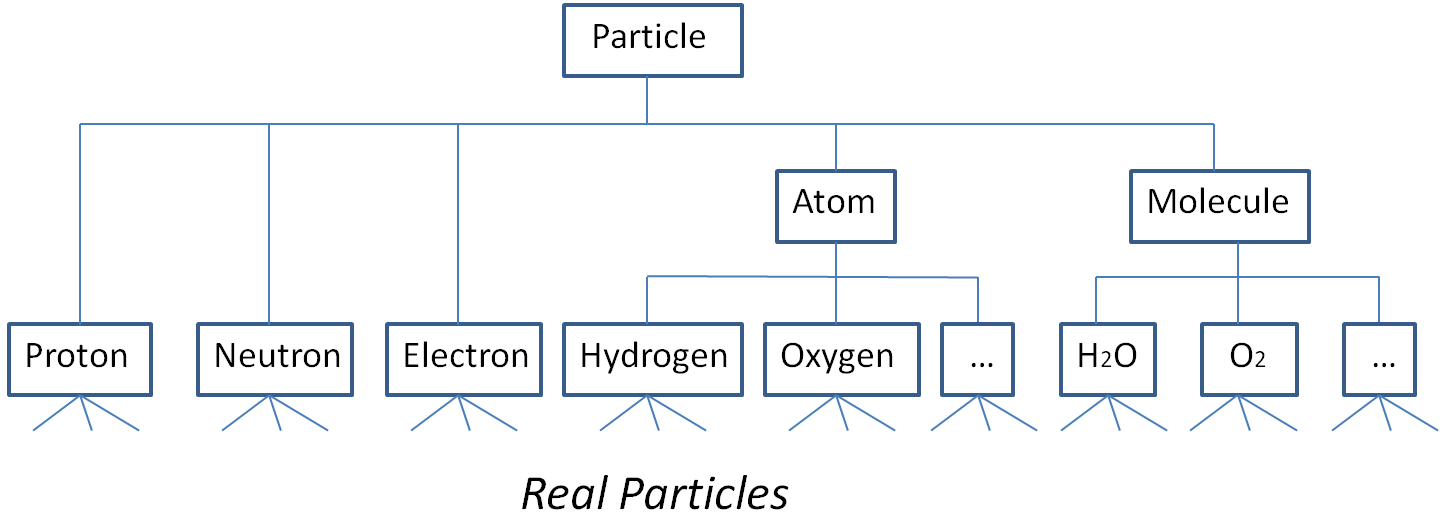
Atoms are the smallest pieces of matter; About press copyright contact us creators advertise developers terms privacy policy & safety how youtube works test. They are made of particles (protons and electrons).. Atoms are the smallest pieces of matter;


